
sunroom glass panels for sale
The Pricing Landscape of 150% to 300 Micrometer Products In recent years, the demand for materials and products ranging from 150 to 300 micrometers has witnessed a significant surge across various industries, including pharmaceuticals, manufacturing, and electronics. This growth has inevitably affected the pricing dynamics of these products. Understanding the factors that influence the price range of 150 to 300 micrometer products is crucial for businesses looking to optimize their purchasing strategies. The Pricing Landscape of 150% to 300 Micrometer Products Another critical factor influencing pricing is the production method. Advanced manufacturing techniques, such as spray drying, cryomilling, and electrospinning, are often employed to achieve specific micrometer sizes. These methods require substantial investment in equipment and technology, which is subsequently reflected in the final product price. Additionally, economies of scale can play a pivotal role. Manufacturers producing large volumes of 150 to 300 micrometer products can achieve lower per-unit costs, while smaller producers may struggle to compete on price. 150 to 300 micrometer price Supply chain dynamics also impact the pricing of these micrometer-sized products. Fluctuations in raw material costs, changes in transportation expenses, and shifts in global trade policies can all contribute to price variability. For instance, the COVID-19 pandemic disrupted supply chains across many sectors, leading to increased costs for sourcing materials and delivering products. As a result, buyers of 150 to 300 micrometer items found themselves facing higher prices during this period. Moreover, the competitive landscape in this market can create a pricing pressure. As more companies enter the market, they may adopt different pricing strategies, from undercutting competitors to offering bundled solutions. Consequently, businesses need to remain vigilant and informed about the latest market trends and competitors' pricing to make intelligent purchasing decisions. Additionally, customer requirements are evolving, with a growing emphasis on sustainability and eco-friendly practices. Products manufactured from renewable resources or those that demonstrate a lower environmental impact may command premium prices. Companies are increasingly willing to pay more for products that align with their sustainability objectives and corporate social responsibility commitments. In conclusion, the pricing of products within the 150 to 300 micrometer range is influenced by various factors, including material properties, production methods, supply chain dynamics, competition, and evolving customer values. Businesses seeking to navigate this intricate pricing landscape must remain agile and informed, leveraging market intelligence to make strategic purchasing decisions. As demand continues to rise, understanding these factors will be essential for companies aiming to secure the best value for their investments in micrometer-sized products.
about
sunroom glass panels for sale
Understanding OEM Saddle Pipe Clamps A Comprehensive Guide When it comes to industrial applications and piping systems, effective component selection is crucial for ensuring durability and operational efficiency. One such component that plays a vital role in securing pipes is the OEM saddle pipe clamp. This article delves into what OEM saddle pipe clamps are, their applications, benefits, and tips for selection. What are OEM Saddle Pipe Clamps? OEM, or Original Equipment Manufacturer, refers to the production of components specifically designed for use in another company’s equipment. Saddle pipe clamps are specialized fittings used to support and secure pipes in various industrial systems. Typically made from durable materials like stainless steel, carbon steel, or plastic, these clamps wrap around the pipe and are affixed to a supporting structure, ensuring that the pipe remains stable and properly positioned. A saddle pipe clamp features a unique “saddle” design that distributes the load evenly across the pipe surface. This design not only provides excellent support but also reduces the risk of damage to the pipe from stress concentrations. OEM saddle pipe clamps are engineered with precision, adhering to specific industry standards to ensure reliability and performance. Applications of Saddle Pipe Clamps Saddle pipe clamps find widespread use across multiple industries. They are commonly used in - Plumbing Systems Essential for securing water supply lines or drainage pipes in residential and commercial buildings. - HVAC Systems Used to support ventilation and air conditioning ducts, ensuring a secure fit within the infrastructure. - Oil and Gas Critical for securing pipelines that transport oil, gas, or other fluids through varying terrains and temperatures. - Manufacturing Employed in various machinery to manage piping related to hydraulic systems and fluid transport. The versatility of saddle pipe clamps makes them an integral part of many applications across diverse sectors. Benefits of Using OEM Saddle Pipe Clamps oem saddle pipe clamp 1. Durability Built with high-quality materials, OEM saddle pipe clamps are designed to withstand harsh environmental conditions, including extreme temperatures and corrosive substances. 2. Ease of Installation These clamps facilitate quick and efficient installation, minimizing downtime during the assembly process. Their user-friendly design allows for easy adjustments and repositioning. 3. Load Distribution The saddle design evenly distributes weight, reducing the potential for pipe damage. This feature is particularly important in high-stress environments where conventional clamps may fail. 4. Customization OEM manufacturers often offer customization options, enabling businesses to select the right size, material, and configuration to meet specific operational requirements. 5. Cost-effectiveness By ensuring the longevity and reliability of piping systems, OEM saddle pipe clamps can reduce maintenance costs and the need for frequent replacements. Selecting the Right Saddle Pipe Clamp When choosing an OEM saddle pipe clamp, several factors should be taken into account - Pipe Size and Type Ensure the clamp is designed to fit the specific dimensions of the pipe, whether it’s PVC, metal, or flexible tubing. - Material Compatibility Consider the environmental conditions where the clamp will be used. For instance, stainless steel is ideal for corrosive environments. - Load Requirements Assess the load the clamp will bear to ensure it is appropriate for the application. - Installation Environment Choose clamps that can withstand the specific environmental conditions, such as exposure to chemicals, extreme temperatures, or moisture. Conclusion In conclusion, OEM saddle pipe clamps are essential components in maintaining the integrity and stability of piping systems across various industries. With their robust design, ease of installation, and durability, they play a crucial role in ensuring efficient operations. By understanding the features, benefits, and selection criteria for these clamps, businesses can make informed decisions that contribute to the longevity and performance of their systems. Whether you are involved in construction, manufacturing, or maintenance, incorporating high-quality saddle pipe clamps into your projects can lead to significant benefits and peace of mind.
-

High quality industrial productsagement

High quality industrial products
View Details -

Meet the diverse needs of customers

Meet the diverse needs of customers
View Details -

Strict quality control

Strict quality control
View Details -

Top raw materials

Top raw materials
View Details -

Trusted supplier

Trusted supplier
View Details
Our application


news and information
water shut off valve
Understanding Water Shut-Off Valves A Homeowner's Guide Water shut-off valves are an essential compo
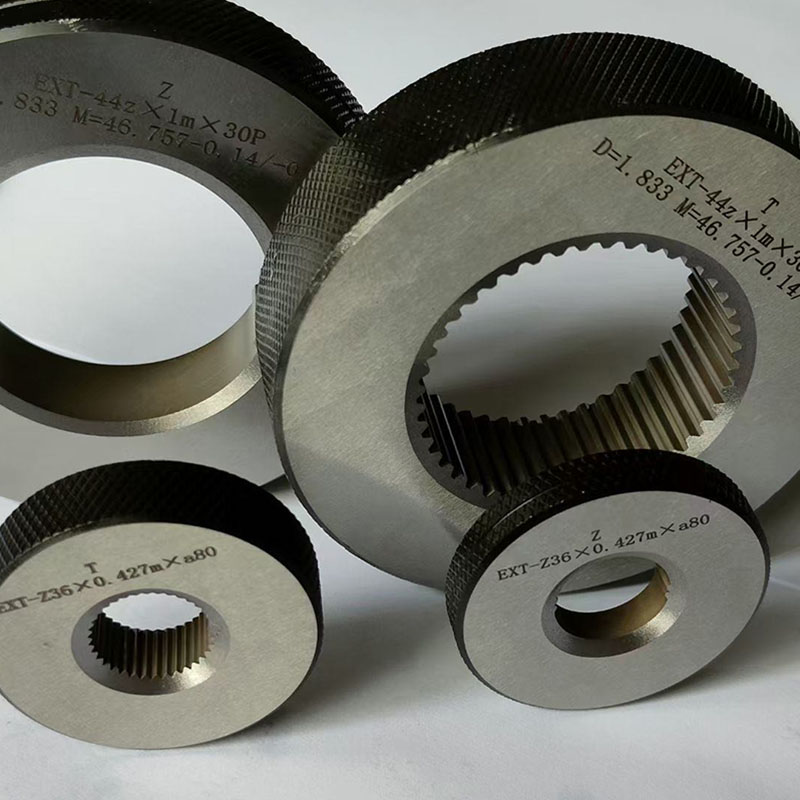
Wholesale Supply of High-Quality Ball Valves for Various Industrial Applications
The Wholesale Market for Ball Valves An In-Depth Analysis Ball valves are essential components in va

Water Pressure Regulation Valve Efficient Flow Control System
Understanding Water Pressure Control Valves A Key Component in Efficient Plumbing Systems In the in
 English